








By Scott Patchan
- Coastal and marine sites expose electrical raceways to salt spray, humidity, and chlorides that corrode metallic conduit and shorten system life.
- Corrosion resistant conduit and fiberglass support systems can help reduce maintenance, improve reliability, and extend service life.
- Real-world pier, port, and waterfront projects demonstrate how fiberglass conduit and strut systems perform in challenging marine environments.
Few environments are as aggressive as the shoreline. From port authority facilities and waterfront infrastructure to piers, marinas, airports, and coastal utility projects, electrical systems face constant exposure to salt spray, moisture, UV radiation, temperature fluctuations, and harsh weather. These conditions can accelerate the deterioration of traditional materials, increasing maintenance requirements and shortening service life.
As project owners place greater emphasis on lifecycle cost, reliability, and resilience, specifying a corrosion resistant conduit system has become an increasingly important design consideration.
Traditional options each carry a trade-off in these conditions. Rigid steel resists impact but rusts without a coating; PVC-coated steel adds a barrier that can be nicked or scratched during installation, creating a starting point for corrosion.
Stainless steel and aluminum can provide strong corrosion performance, but material costs and long-term exposure considerations often influence specification decisions.
In a setting where salt finds every weak point, a material that simply doesn’t corrode changes the equation.
Ways Damp, Outdoor Environments Accelerate Corrosion
Common challenges include:
- Saltwater exposure
- Airborne salt spray
- High humidity
- Continuous UV exposure
- Wind-driven moisture
- Extreme weather events
- Cyclic wet-dry conditions
These factors can contribute to corrosion, coating breakdown, structural deterioration, and increased maintenance demands on conduit and support systems. For engineers designing long-term infrastructure, selecting a non-corrosive electrical raceway is often a specification decision that impacts reliability for decades.
For a deeper look at corrosion mechanisms and conduit selection, read:
Electrical Conduit Corrosion Resistance: An Intermediate Guide for Electrical Engineers and Electrical Contractors
What Engineers Should Look for in Corrosion Resistant Conduit
When evaluating electrical raceways for coastal installations, corrosion resistance is only one part of the equation. Engineers should also consider:
Long-Term Durability
Conduit systems must withstand continuous environmental exposure without significant degradation.
Installation Efficiency
Marine and waterfront projects often involve difficult access, elevated structures, and installation over water. Lightweight materials can help simplify handling and reduce labor requirements.
Resistance to Environmental Stressors
Beyond corrosion, conduit systems may need to withstand:
- UV exposure
- Impact from debris
- Temperature fluctuations
- Moisture intrusion
- Chemical exposure
Lifecycle Cost
When evaluating conduit for coastal applications, engineers should look beyond initial material costs and consider total lifecycle performance. A durable electrical raceway can help reduce maintenance requirements while improving reliability across waterfront electrical infrastructure and other high-exposure environments.
Why Fiberglass Conduit Is Increasingly Specified for Coastal Applications
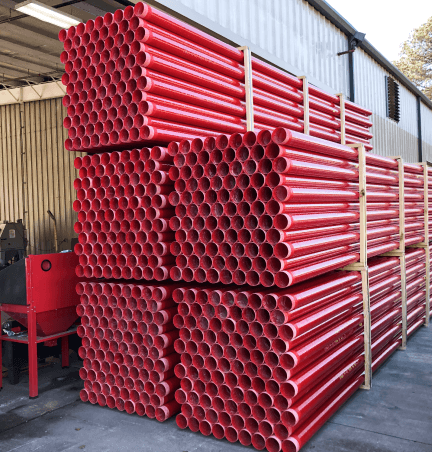
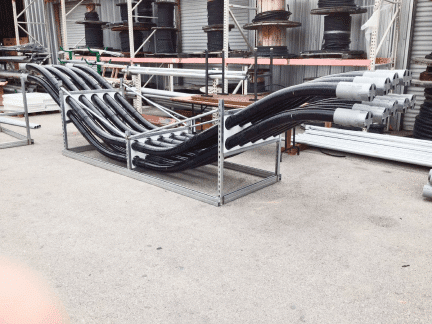
Fiberglass conduit (RTRC) offers excellent corrosion resistance across a wide range of coastal, marine, and industrial environments. Because the corrosion resistance is inherent to the material rather than a surface coating, there’s no plating or galvanizing to breach. That makes Champion Duct® a practical solution for corrosive environments including piers, ports, coastal utilities and marine facilities.
For engineers and contractors, the practical advantages add up quickly:
- It doesn’t rust. Salt spray and saltwater exposure don’t cause the oxidation that degrades metallic systems.
- Broad chemical resistance. RTRC resists a wide range of chemicals, particularly useful where road salt, treatment chemicals, or industrial runoff are also present. Review the Champion Fiberglass Chemical Resistance Guide for specifics.
- Lightweight installation. Fiberglass conduit is up to 13 times lighter than steel, lowering labor hours and improving safety on elevated pier and over-water work.
- Code-recognized. Champion Duct is UL 2515 Listed (above and below ground) and UL 2420 Listed (below ground), and is recognized in the NEC as Rigid RTRC under Article 355.
For many coastal projects, fiberglass conduit serves as a practical marine electrical conduit option capable of supporting long-term infrastructure goals.
For projects involving chemical exposure in addition to marine conditions, engineers should also review:
Understanding Epoxy Chemical Resistance
Don’t Forget the Supports: A Durable Strut Framing System
Corrosion issues often start at the supports. Metallic strut, clamps, and hardware are frequently the first components to fail in a marine setting. Specifying a durable strut framing system closes that gap.
Champion Strut® is offered in polyester and vinyl ester resin systems engineered for harsh marine and industrial environments. Pairing fiberglass conduit with fiberglass strut creates a fully non-metallic support assembly so the raceway and everything holding it up share the same corrosion resistance and the same long service life.
The complete system includes fiberglass channels, fittings, fasteners, hangers, and accessories designed for highly corrosive environments, including:
- Marinas
- Coastal facilities
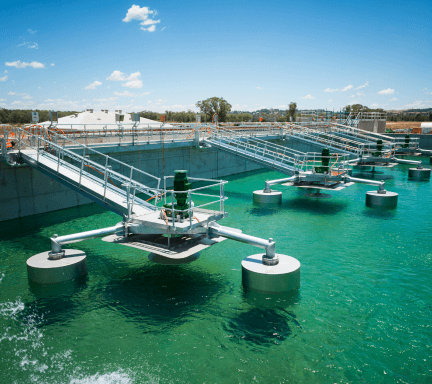
- Wastewater treatment plants
- Desalination facilities
- Utilities
- Chemical processing facilities
- Port authority infrastructure
Real-World Coastal Project Examples
Hermosa Beach Pier
When a California pier lighting upgrade required a corrosion-resistant solution capable of handling salt spray, sunlight, and long-term environmental exposure, fiberglass conduit helped address these challenges while reducing weight compared to traditional alternatives.
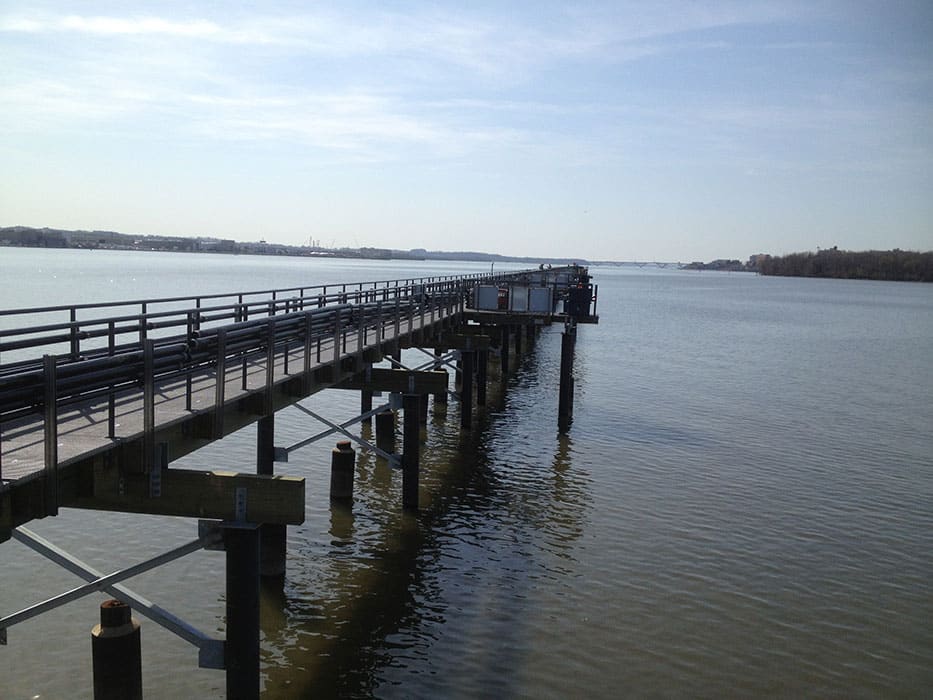
Reagan National Airport Runway Pier
This marine infrastructure project required conduit capable of withstanding brackish saltwater conditions. The lightweight nature of fiberglass conduit helped simplify installation while supporting long-term infrastructure performance goals.
Reagan National Airport Runway Pier Strut
The project also incorporated a fiberglass support solution designed to withstand the same corrosive waterfront conditions.
Monterey Bay Coast Guard Pier
Harsh saline conditions, UV exposure, and coastal weather created a demanding installation environment. Fiberglass conduit was selected to help address degradation concerns while improving installation efficiency.
Planning a coastal, marine, waterfront, or port authority project?
Explore how Champion Duct® fiberglass conduit and Champion Strut® fiberglass framing systems can help combat corrosion, simplify installation, and support long-term infrastructure reliability.
Find a rep or contact Champion Fiberglass directly to discuss your next project.
Frequently Asked Questions
What is the best conduit for corrosive coastal environments? The best conduit for coastal and marine applications depends on project requirements, environmental exposure, and lifecycle goals. Fiberglass conduit (RTRC) is commonly specified for coastal use because its corrosion resistance is inherent to the material rather than dependent on a coating. It is also lightweight, non-corrosive, and suitable for long-term outdoor exposure.
How does fiberglass compare to steel or PVC-coated steel coastal and marine applications?
Unlike steel or PVC-coated steel, it won’t rust when exposed to salt spray and saltwater, and it offers broad chemical resistance, making it well suited to piers, ports, and docks.
How do you prevent conduit corrosion near saltwater?
Preventing conduit deterioration near saltwater starts with selecting materials designed for corrosive environments. Nonmetallic systems such as fiberglass conduit can help minimize maintenance and replacement concerns.
What conduit resists saltwater corrosion?
Fiberglass conduit is often selected for saltwater environments because it does not corrode like traditional metallic systems exposed to marine conditions. Because there’s no galvanized or PVC coating to scratch or breach, there’s no exposed starting point for corrosion to begin.
What is the best strut system for coastal projects?
Engineers often evaluate corrosion-resistant support systems when designing coastal infrastructure. Fiberglass strut systems can provide long-term durability in marine and waterfront environments where corrosion is a primary concern.