







By Scott Patchan
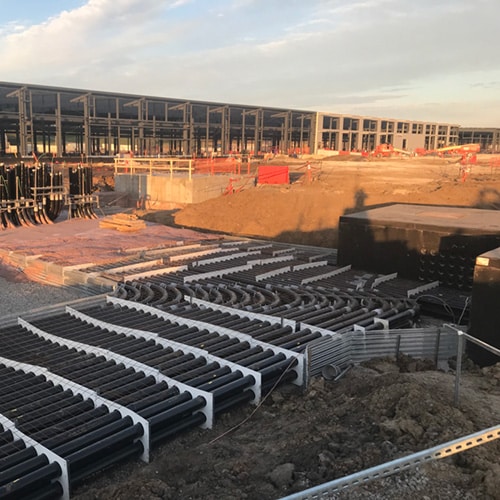
- Key conduit design considerations for large transmission and distribution (T&D) projects
- Best practices for code compliance, installation efficiency, and underground durability
- How fiberglass conduit supports long-term reliability in utility infrastructure
Large transmission and distribution projects demand more than code compliance. Conduit selection influences installation efficiency, cable longevity, system reliability, and total cost of ownership over decades of service.
In a recent utilities webinar hosted by T&D World, Champion Fiberglass® VP of Sales and Marketing Matt Fredericks outlined the practical and economic factors shaping conduit decisions across today’s utility landscape.
Industry Drivers Reshaping Utility Infrastructure
Utilities are operating in a period of accelerated infrastructure investment. Key drivers include:
Data Center Expansion
Data centers are currently the largest driver of new utility capacity. Increased medium voltage demand and uptime expectations are expanding underground transmission and distribution systems nationwide.
Renewable Energy Integration
Renewable energy and battery energy storage system (BESS) projects are requiring new grid interconnections and modernization of legacy systems.
Aging Infrastructure
Both power and communications infrastructure are reaching replacement cycles, prompting utilities to prioritize long-term durability.
Grid Hardening and Regulatory Mandates
Storm resilience, wildfire mitigation, vandalism protection, and sustainability mandates are accelerating undergrounding initiatives.
These factors are pushing utilities to give greater consideration to lifecycle longevity and performance when evaluating conduit systems.
Standards and Code Considerations
- Utilities generally follow the National Electrical Safety Code (NESC)
- Commercial and contractor-driven projects typically follow the National Electrical Code (NEC)
- IEEE standards, ASTM specifications, and UL listings also influence conduit specification and installation practices
Aligning conduit selection with the applicable code ensures inspection alignment and long-term compliance.
Conduit Selection: Designing for Total Cost of Ownership
Durability and Corrosion Resistance
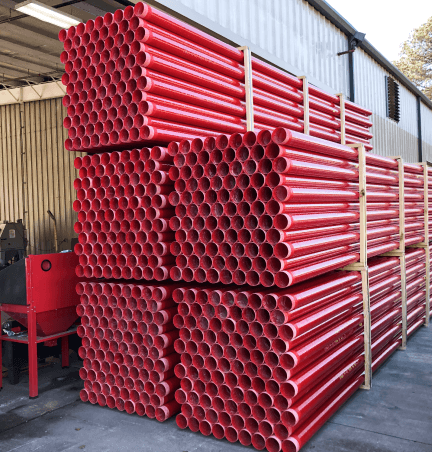
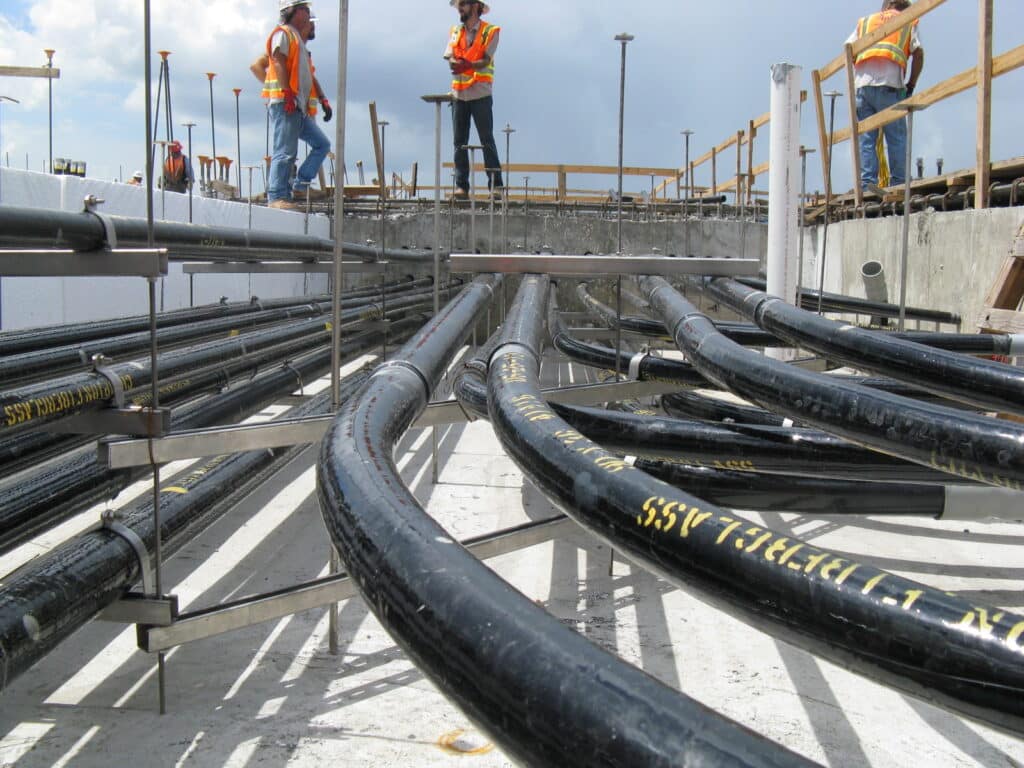
Underground installations expose conduit to moisture, chemical soil conditions, and mechanical stress. Nonmetallic conduit systems that are inert to chemicals and resistant to corrosion reduce long-term degradation risk.
Thermal Properties and Heat Dissipation
Temperature tolerance affects conductor lifespan and reliability. Fiberglass conduit offers a higher heat tolerance (110°C) compared to PVC (90°C), an important consideration for solar installations, data centers, and higher-load applications.
Thermal expansion must also be managed in long above-ground or under-bridge runs to prevent stress accumulation.
Coefficient of Friction and Cable Protection
Low coefficient of friction (COF) supports smoother cable pulls and reduces sidewall pressure. Documented testing shows fiberglass conduit with a coefficient of friction of 0.38 when using PVC jacketed cables, compared to PVC at 0.90.
Reduced pulling tension promotes longer cable life and minimizes installation risk in long duct bank runs.
Installation Efficiency
Installation time directly affects project cost and labor exposure.
For conduit sizes 1 1/4 inch and above, fiberglass installs faster than PVC Schedule 40, per the NECA Manual of Labor Units. On long transmission corridors, this reduction in labor can significantly impact installed cost.
Maintenance and Future Reconductoring
Material behavior during cable faults also affects long-term maintenance:
- In PVC, a cable fault can melt the conduit.
- In metallic conduit, faulting can weld the conductor to the inside wall.
- Fiberglass does not weld conductors or melt under the same conditions, supporting reconductoring flexibility.
Burn-Through: A Costly Underground Risk
Burn-through is a common failure in underground installations.
High pulling tension and sidewall pressure can cause pulling rope to saw through PVC or HDPE elbows, especially at the end of long runs. One utility estimated a single burn-through in concrete could cost $9,000 in damages.
Specifying fiberglass elbows can mitigate this risk and prevent costly rework.
Design and Installation Best Practices
- Plan conduit routes to allow for airflow, cable management, and future expansion
- Install additional blank conduits for future capacity needs
- Coordinate early with MEP (mechanical, electrical, and plumbing), gas, and telecom contractors
- Follow manufacturer bending recommendations
- Use proper lubricants, cable pullers, and non-stretching pulling rope
- Manage expansion and contraction in long runs
- Ensure proper sealing to prevent water, gas, or rodent intrusion
- Use the NECA Manual of Labor Units to estimate installation time and support accurate project planning and conduit selection decisions.
Transmission and distribution infrastructure is evolving rapidly. Data center growth, renewable integration, aging infrastructure replacement, and resilience mandates are reshaping conduit selection decisions.
Strategic conduit specification supports utilities in delivering resilient, future-ready infrastructure.
Case Study: Edwardsport Power Plant (Duke Energy)
By leveraging fiberglass conduit’s low coefficient of friction, the project team eliminated two out of every three vaults in long duct banks, resulting in approximately $3 million in project savings. The gasketed joining system reduced installation time by eliminating adhesive requirements.
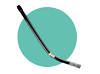
New Innovation: Patent Pending Expandable Utility Riser
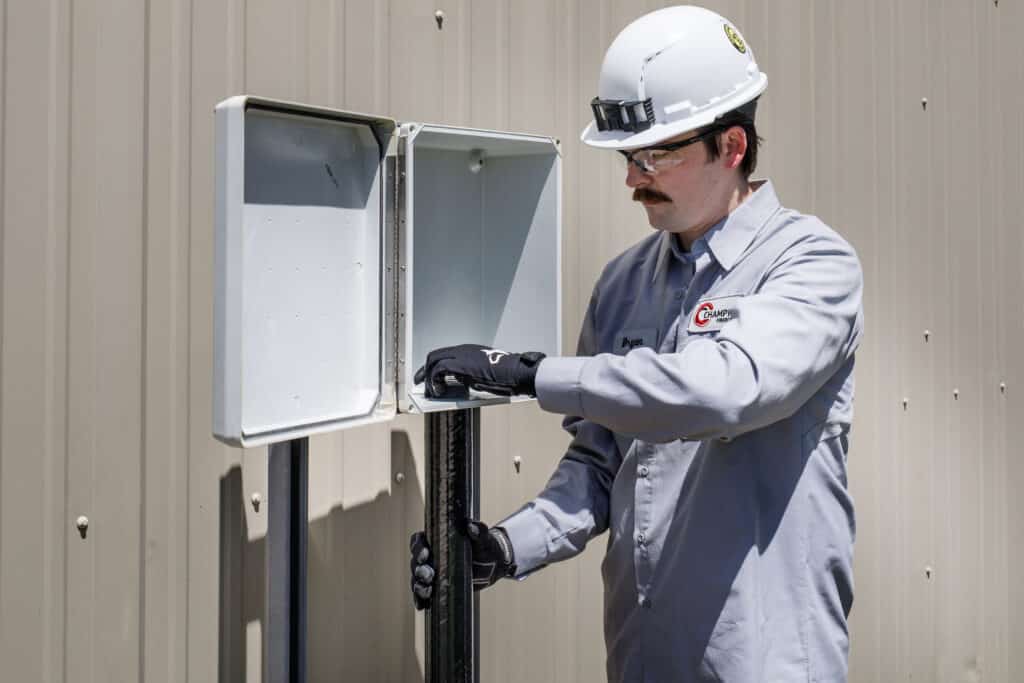
Champion Fiberglass has introduced a patent pending expandable utility riser, designed to address ground shifting and freeze-thaw cycles.
This height-adjustable, hockey stick-style riser includes:
- Integrated expansion joint
- Operating range from -40° to 230°F
- High impact resistance
- UV resistance
By preventing separation between conduit and the meter can, the riser helps eliminate exposed conductors caused by seasonal ground movement.
Learn More About How Fiberglass Conduit Can Optimize Transmission and Distribution Projects
Backed by decades of application experience, Champion Fiberglass products are fully BABA compliant and designed to support project success from planning through installation and beyond.
A leading manufacturer in the electrical industry, Champion Fiberglass is ISO 9001, 14001, and 45001 certified.
Download Champion Fiberglass product catalogs to or connect with a local Rep to learn more