








By Scott Patchan
A Comprehensive Guide to Fiberglass Conduit
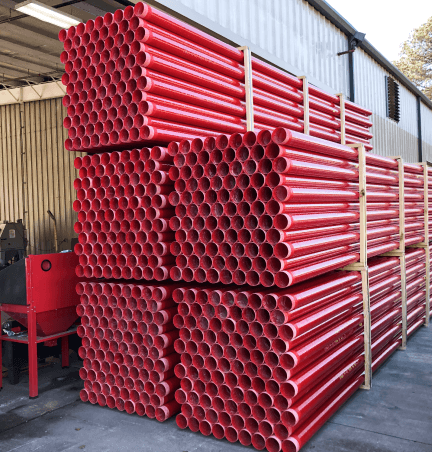
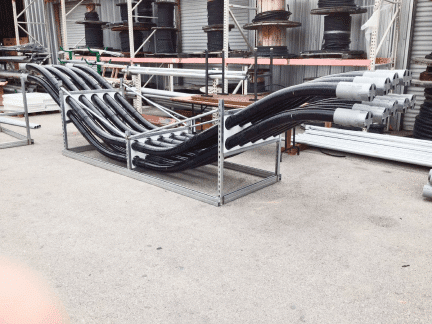
Fiberglass conduit, also known as reinforced thermosetting resin conduit (RTRC), is a nonmetallic electrical conduit known for its high strength, corrosion resistance, and lightweight design. As fiberglass conduit usage grows across commercial and industrial applications, engineers continue to turn to fiberglass conduit systems for reliable, long-lasting performance in harsh environments.
What Is Fiberglass Conduit?
Fiberglass (RTRC) is a lightweight conduit product with built-in toughness, created by tension-winding strands of fiberglass over a rotating mandrel.
The strands are laid in a precise pattern, impregnated with resin as they are wound onto a straight mandrel. (This assures the installer easy use when doing field cuts.)
The fiberglass conduit and fittings are then cured under high temperatures, creating an electrical conduit with high flexural strength and high temperature resistance.
How Does Fiberglass Conduit Compare to Other Conduit Materials?
Fiberglass conduit provides increased savings, easier installation, and superior strength, compared to other conduit materials:
- Fiberglass conduit features the broadest range of corrosion resistance of all in-market conduit materials
- Specifically, Champion FiberglassⓇ conduit offers the lowest installation rates for most diameters according to the National Electrical Contractors Association (NECA) Manual of Labor Units, thanks its light weight and ease of field handling
- Fiberglass conduit offers low to zero burn-through when pulling wire or cables
- Fiberglass conduit is known for superior impact resistance and memory, allowing it to retain its shape after impact or compression
Refer to the Champion Fiberglass Conduit Comparison Chart to learn more about how fiberglass conduit compares to other common materials, including PVC SCH 40 and 80, galvanized rigid steel, PVC-coated steel, and aluminum.
Fiberglass Conduit Uses Permitted
Article 355 of the National Electrical Code (NEC) details the scope of accepted use, installation, and construction for fiberglass conduit, also known as reinforced thermosetting resin conduit (RTRC), and its associated fittings.
The code defines fiberglass conduit as “a rigid nonmetallic raceway of circular cross-section, with integral or associated couplings, connectors, and fittings for the installation of electrical conductors and cables.”
The following uses are permitted for fiberglass conduit trade size 1/2 through trade size 6:
- When concealed in walls, floors, and ceilings
- When subject to corrosive environments covered in Section 300.6
- When subject to approved chemicals
- In cinder fill
- In wet conditions including dairies, laundries, canneries, or where walls are frequently washed, when the conduit system is equipped to prevent water from entering the conduit.
- In dry and damp locations not prohibited by Section 355.12
- In exposed areas
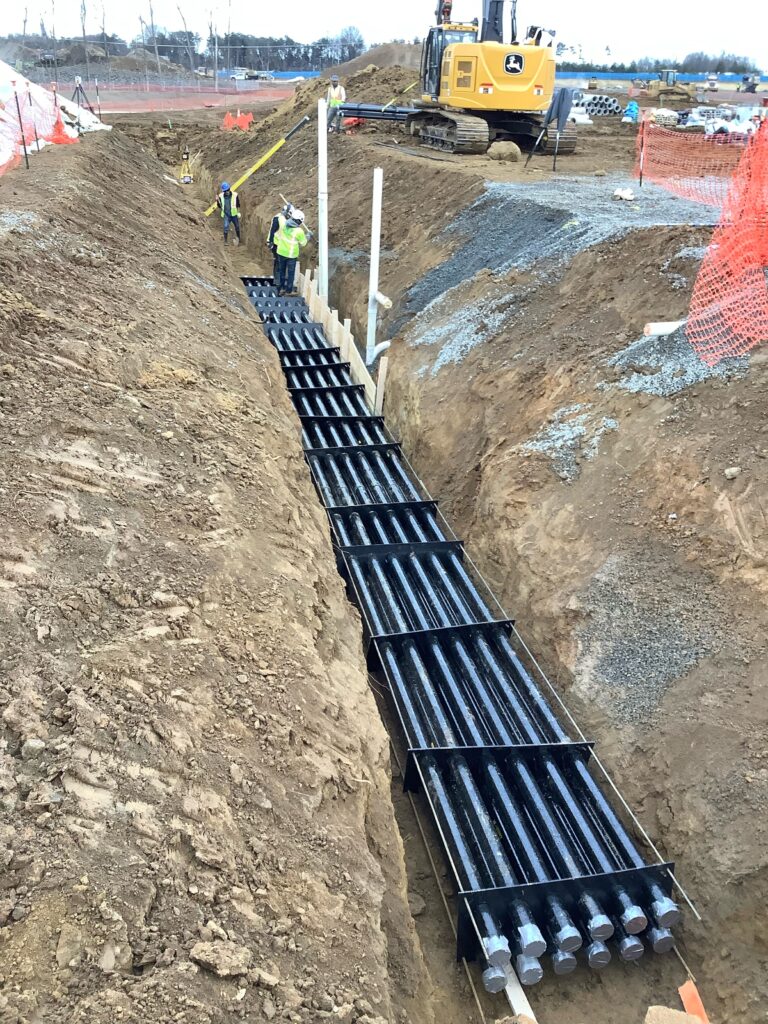
- In underground installations
While standard fiberglass conduit is not permitted for use in hazardous Class I, Division 2 locations, Champion Haz DuctⓇ XW type conduit is permitted for use in Class I, Division 2 applications within the U.S. per the NEC.
Fiberglass electrical conduit is suitable for use in the following applications:
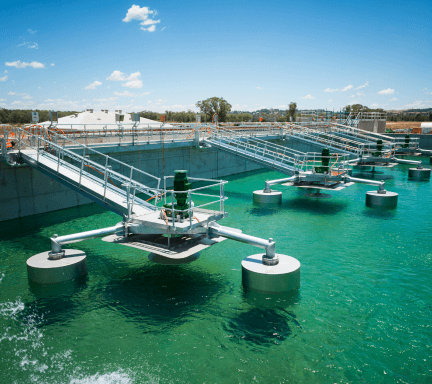
- Wastewater Treatment: These facilities are damp and caustic, known for harsh chemical exposure and extreme temperatures. Fiberglass conduit offers the corrosion resistance required for these applications.
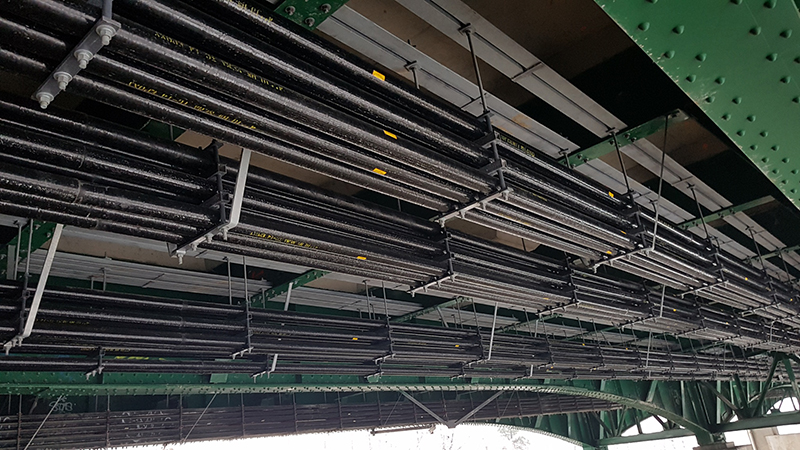
- Industrial/Commercial: Approved for above and below ground use, fiberglass conduit features UV stability and extreme corrosion resistance, making it suitable for indoor and outdoor industrial and commercial applications.
- Chemical Plants: XW type fiberglass conduit is suitable for the volatile environments found in chemical plants due to its Class I, Division 2 rating.
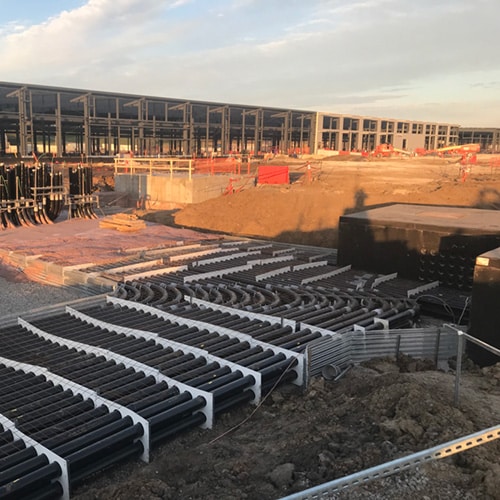
- Data Centers: Data center installations are known to require a significant number of elbows, making fiberglass conduit an appropriate conduit system for these applications due to its lack of burn-through, low coefficient of friction, and cable fault resistance.

- Port Authority/Coastal Environments: XW type fiberglass conduit offers the corrosion and UV resistance necessary for sun and saltwater exposure, as well as a wide temperature range. Its light weight also contributes to easier installations which can be useful in challenging marine environments.
- Transportation: Fiberglass phenolic conduit burns without releasing toxic gases and offers superior field handling, making it an appropriate conduit system for transportation applications.
- Utilities: Utilities applications require durability and cost-efficiency to maintain stability from generating facilities through end-user distribution. Fiberglass conduit meets and exceeds the requirements for use in these applications.
Successful Fiberglass Conduit Projects
Champion Fiberglass (RTRC) conduit has been widely adopted across industries including:
Though the reasons for adoption vary from industry to industry – increased electrical safety, a low coefficient of friction, fast and easy installations, lower material costs and reduced installation costs are a few – it’s clear why fiberglass has increasingly become the conduit of choice for many engineers and contractors.
Why Champion Fiberglass?
Champion Fiberglass leads the RTRC category, offering leading-edge UL-listed conduit systems and continuity innovating in the fiberglass space. Here’s what sets Champion Fiberglass apart:
- Champion Fiberglass conduit is produced in the world’s most advanced, 100%-digital fiberglass conduit manufacturing facility
- Champion Fiberglass has been ISO-9001 certified for over a decade, meeting the standards requirements for quality management systems, and is also ISO-14001 certified for premier environmental management principles, and ISO-45001 certified for its occupational health and safety management systems
- In 2016, Champion Fiberglass’s UL e-File number was updated to include extended support spacing distances for Haz Duct®. In 2017, Champion Duct® Standard Wall (SW), Medium Wall (UL designates Champion Fiberglass MW for 5″ and 6″ as SW), and Heavy Wall (HW) conduit were also approved for expanded support spacing distances
Do More® with Champion Fiberglass RTRC Products
Fiberglass conduit is listed in Article 355: Reinforced Thermosetting Resin of the NEC (National Electrical Code) and Article 12-200 of the CEC (Canadian Electrical Code) as Rigid RTRC Conduit.
CHAMPION DUCT® RTRC CONDUIT
- Easy installation
- Excellent impact resistance
- Superior corrosion resistance
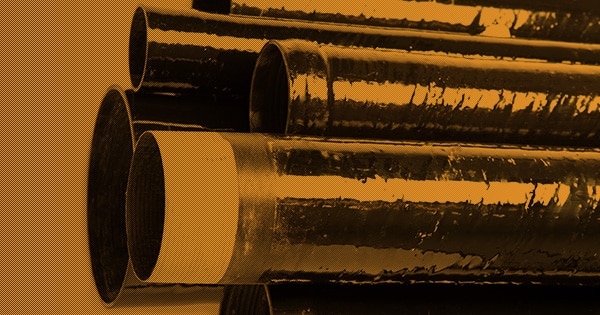
CHAMPION FLAME SHIELD® PHENOLIC CONDUIT
- Zero-smoke, zero-halogen solution
- Two-hour fire rated (up to 1850° F)
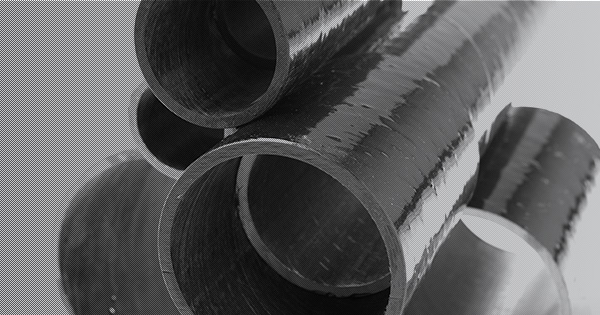
CHAMPION HAZ DUCT® XW TYPE CONDUIT
- Designed to handle hazardous environments
- CEC-approved for Zone 1, Division 2 installation.
Ready to Get Started with Fiberglass Conduit?
For more information about fiberglass conduit (RTRC) uses and applications for specifying, get our Fiberglass Conduit Buyer’s Guide, Find a Rep, or contact Champion Fiberglass directly for more information.


Frequently Asked Questions About Fiberglass Conduit (RTRC)
Fiberglass conduit, also known as reinforced thermosetting resin conduit (RTRC), is a lightweight, nonmetallic electrical conduit made from fiberglass strands and resin. It is known for its high strength, corrosion resistance, and ease of installation.
RTRC conduit is permitted in various environments, including wet and damp locations, underground installations, corrosive environments, industrial facilities, and coastal applications, as outlined in NEC Article 355.
Fiberglass conduit offers superior corrosion resistance, lighter weight, lower installation costs, and better impact resistance compared to steel and PVC conduit systems.
Yes. Fiberglass conduit is approved under NEC Article 355 for use in a wide range of electrical applications. Certain fiberglass conduit types, like Champion Haz Duct® XW, are also permitted in hazardous Class I, Division 2 areas.
Champion Fiberglass is a leading U.S. manufacturer of RTRC conduit. They operate the most advanced fiberglass conduit facility in North America and offer a full line of UL-listed products.
This article was originally posted on August 13, 2024, and has since been updated for comprehensiveness.